
Building cleaning is an essential service – whether in offices, public institutions, or production facilities. Yet, despite its contribution to cleanliness and hygiene, the industry faces a major challenge: sustainability. The use of chemicals, high water consumption, mountains of paper from administration, and inefficient work processes leave an ecological footprint that should not be underestimated.
But how can building cleaning become more sustainable? In addition to eco-friendly cleaning agents, energy-efficient equipment, and resource-saving methods, digitization plays a crucial role. Software solutions help save paper, streamline work processes, and utilize resources more intelligently. Companies that adopt digital solutions early on benefit not only from a better environmental footprint but also from cost savings and increased efficiency.
A look into many cleaning companies reveals: Working hours are still recorded manually, cleaning schedules are printed, and invoices are sent in paper form. However, all these documents not only mean high printing and storage costs but also burden the environment.
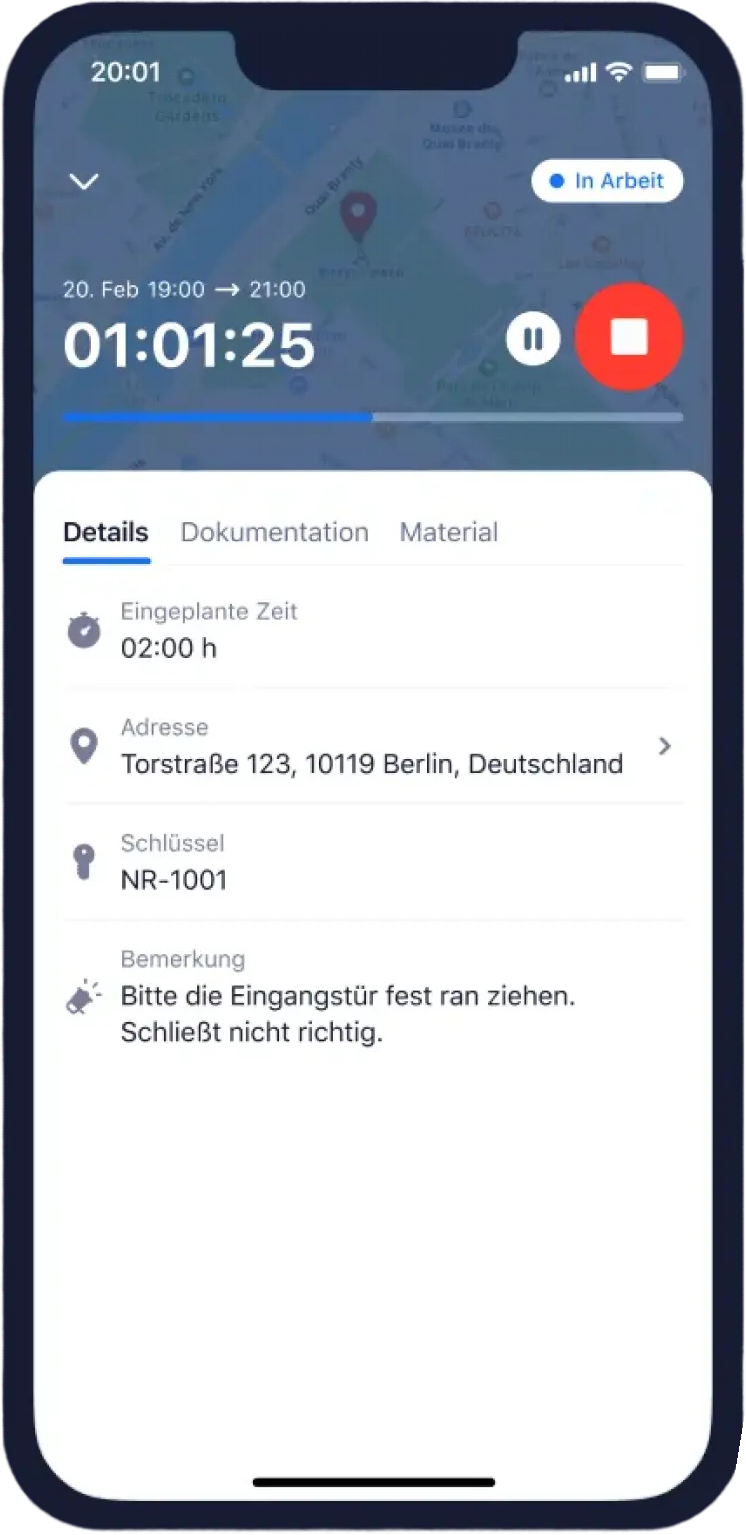
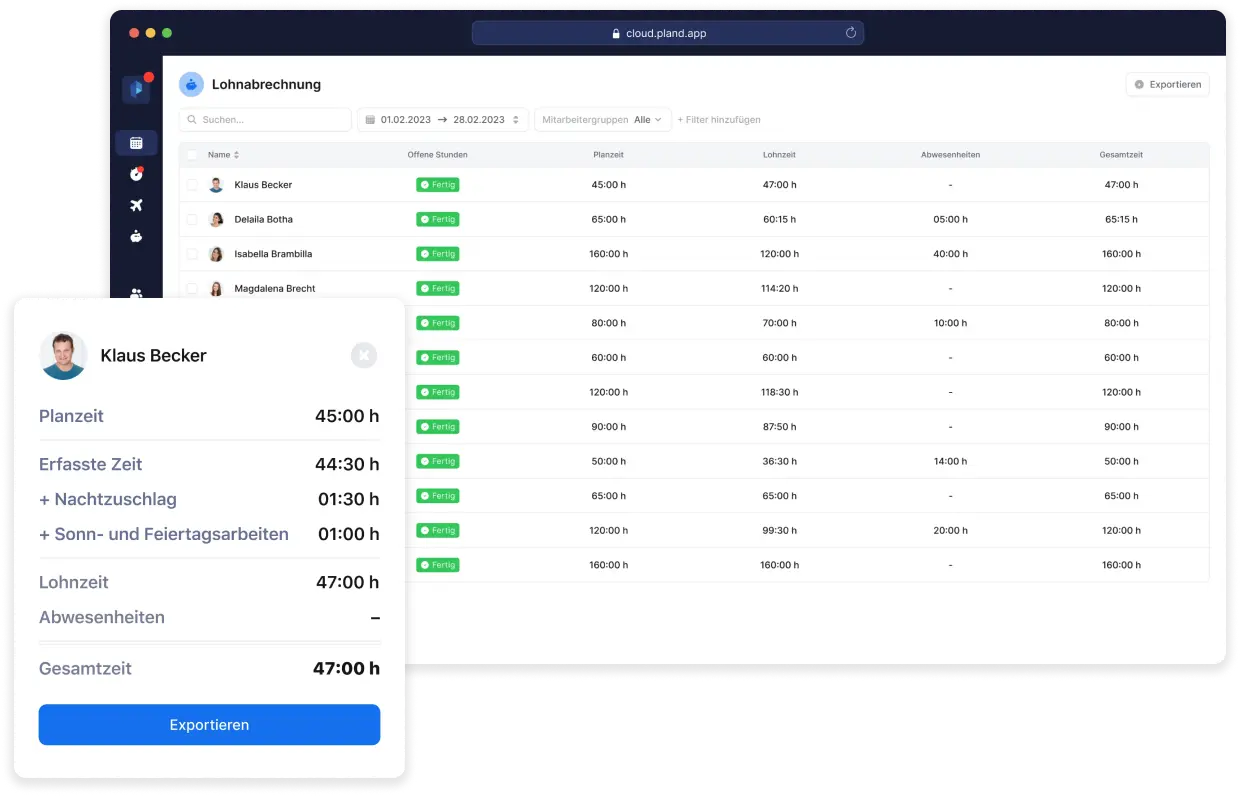
Modern software solutions like PlanD make it possible to handle almost all administrative processes paperless:
Eliminating paper not only saves resources but also significantly reduces administrative effort. Instead of sifting through piles of files, office staff can focus on more important tasks.
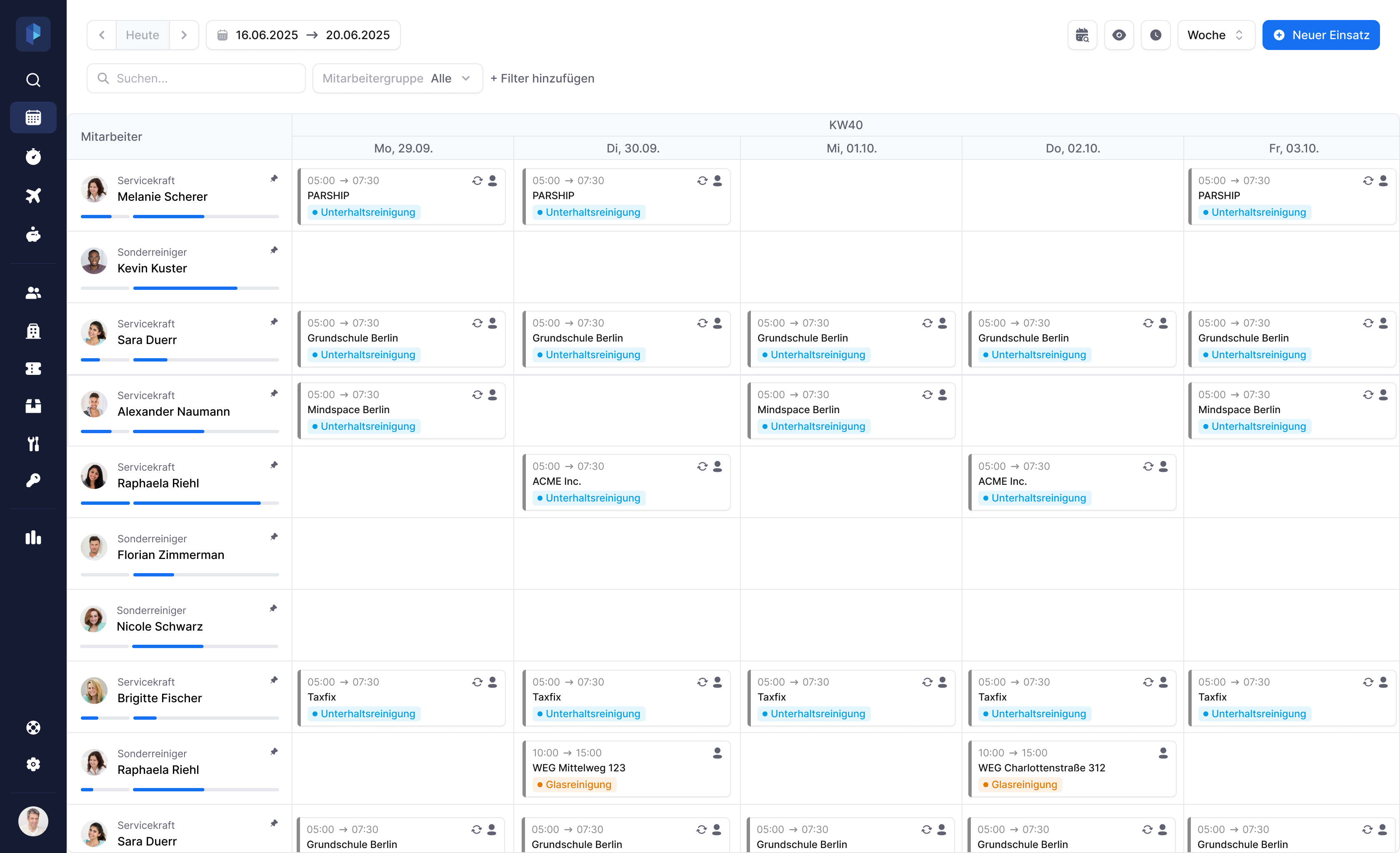
Sustainable building cleaning also means optimally utilizing available resources – especially personnel. Because inefficient deployment plans not only lead to unnecessary travel and idle times but also to unnecessary energy and resource consumption.
Here, digital solutions offer several advantages:
More precise planning not only saves labor but also improves employee well-being. Instead of confusing paper schedules and frantic rescheduling, digital organization provides structure – freeing up cleaning staff to focus on their actual work.
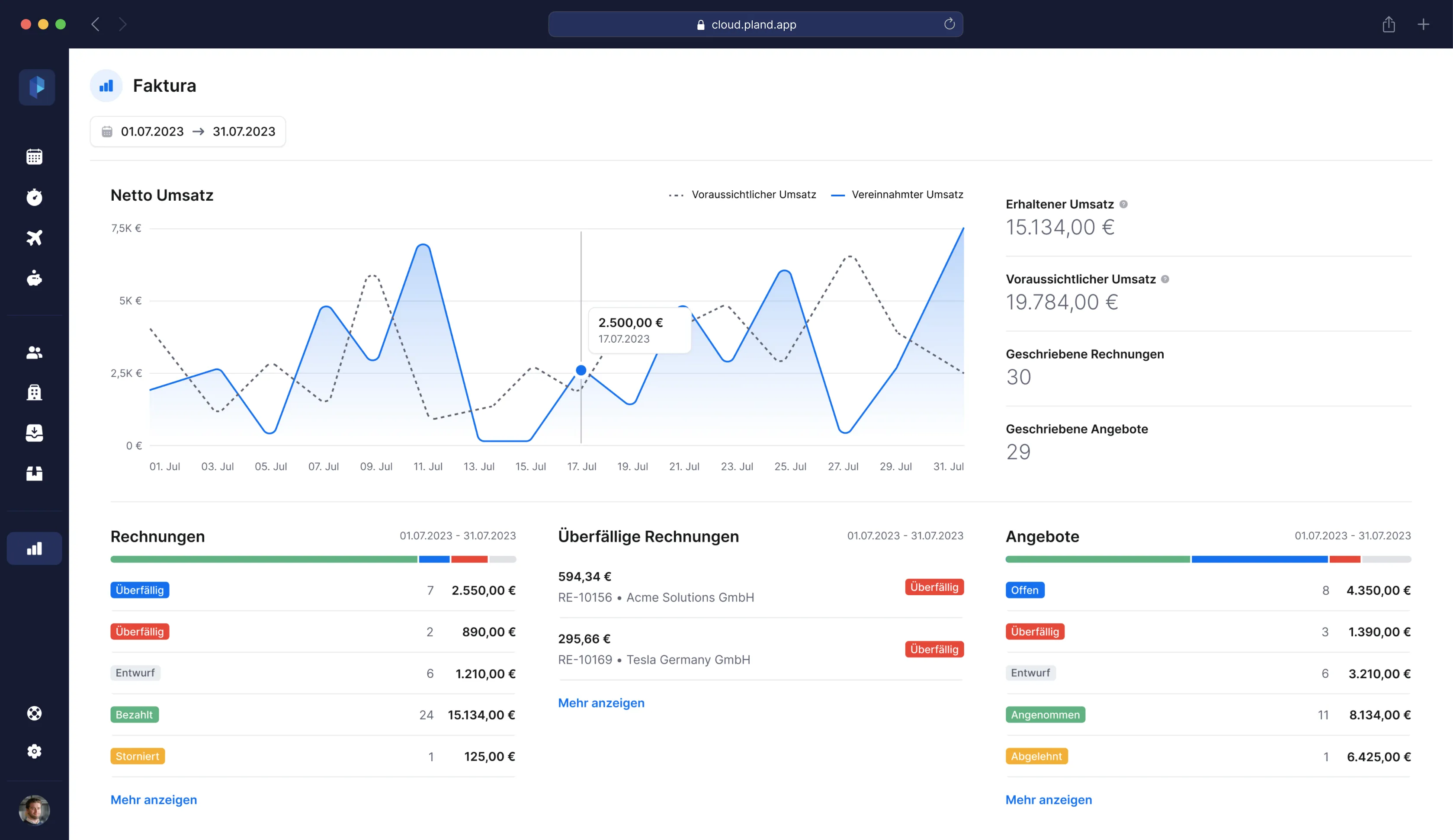
Many building cleaners and entrepreneurs spend hours on bureaucracy – from deployment schedules and invoices to documentation. This wastes valuable time that could be better spent on customer service, quality control, or strategic business planning, and work-life balance suffers (see success story with Cleanjoyment.)
Digital solutions automate many of these tasks:
Simply put: Less paperwork, less stress, and more room for what truly matters.
Beyond the digital optimization of work processes, selecting the right cleaning agents and equipment also plays a crucial role in sustainable building cleaning. Many companies already opt for biodegradable cleaning products that contain fewer chemicals and can be disposed of more environmentally friendly.
Another important aspect is the use of energy-efficient machinery. Modern vacuum cleaners and cleaning machines are equipped with powerful motors that consume less electricity yet still deliver high cleaning performance. Devices that incorporate water recycling systems to reduce consumption are particularly sustainable.
Furthermore, dosing systems can help control the use of cleaning agents more precisely. Instead of estimating, these systems dispense the exact amount of cleaner needed – saving resources and protecting the environment.
Digitalization offers numerous benefits for building cleaning: It reduces paper consumption, optimizes staff deployment, saves working hours, and ensures better resource utilization. Combined with eco-friendly cleaning agents and energy-saving equipment, it can drive a sustainable transformation in the industry.
Companies that embrace digital solutions now benefit not only from a better environmental footprint but also from economic advantages. Reduced administrative effort means lower costs, more efficient planning minimizes idle times, and a paperless organization conserves resources.
Sustainability in building cleaning is not just possible – it's necessary. And thanks to digital innovations, it has never been easier for building cleaning companies to take the first step towards a more environmentally friendly future.
Free, no-obligation consultation with one of our digitalization experts.