
In the commercial cleaning sector, office services, or routine cleaning – cleaning staff are often under time pressure. Multiple sites, tight schedules, and high quality standards are part of their daily routine.
However, those who work with good time management can complete daily tasks not only faster, but also in a more structured, healthier, and stress-free way.
In this post, we'll show you how you can efficiently organize your cleaning work with clever planning, routine, and modern technology – and make the most of every workday.
Successful time management in cleaning always begins with a clear structure. A well-organized cleaning schedule or daily routine helps set priorities:
Tip: Schedule buffer periods. This keeps you flexible in case additional tasks arise at short notice – such as a special cleaning request or a spilled drink.
A clear workflow saves time, reduces frantic activity, and ensures consistent quality – an important factor for satisfied customers and clients.
A fixed workflow helps save time and energy. Professional cleaners work according to the principle “from top to bottom” and “from clean to dirty”. This means:
Also color-coding and zone systems for cleaning materials (e.g., blue for furniture, red for restrooms, green for kitchen) ensure order, hygiene, and time savings.
Good preparation is central to efficient cleaning. When all materials and equipment are ready, the work flows much more smoothly. Therefore, before starting your shift, check:
Sticking to this routine saves several minutes daily – time that adds up to hours over the week. Pro Tip: Create a personal checklist for the start of your shift. This ensures nothing is forgotten.
Working efficiently doesn't mean doing everything faster – it means planning realistically. Cleaners should know the actual time required for various tasks. A quick self-analysis helps:
With these values, you can realistic timeframes create or discuss adjustments with supervisors. This reduces stress and improves the quality of cleaning performance.
Many underestimate the importance of short breaks. Working without interruption quickly leads to a loss of concentration and energy. Plan regular short breaks of 5–10 minutes – ideally after about 45–60 minutes of work.
This way, you stay focused, avoid mistakes, and protect your body. A balanced work rhythm not only increases your performance but also your job satisfaction.
Time management in building cleaning also means making proper use of modern technology and tools.
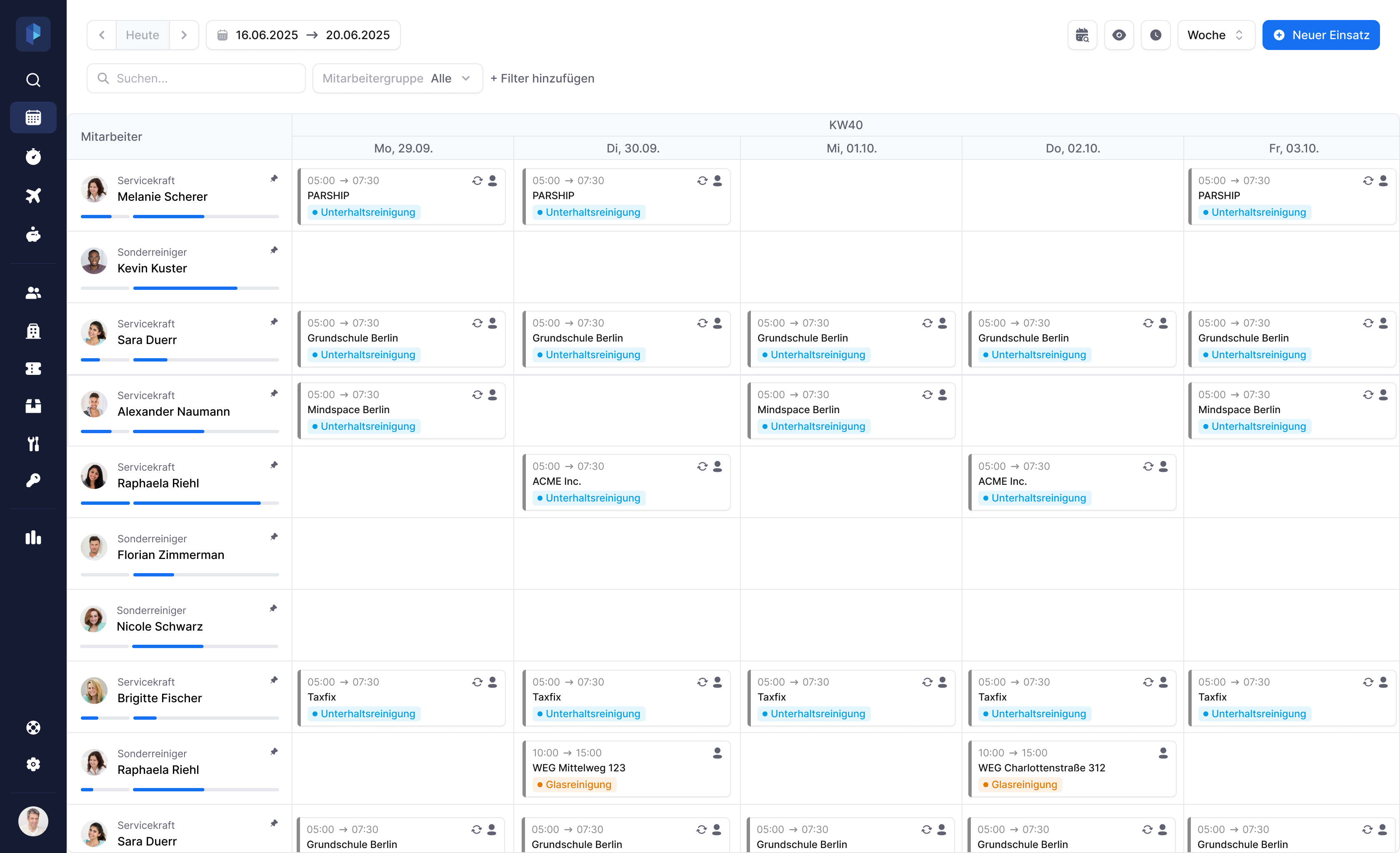
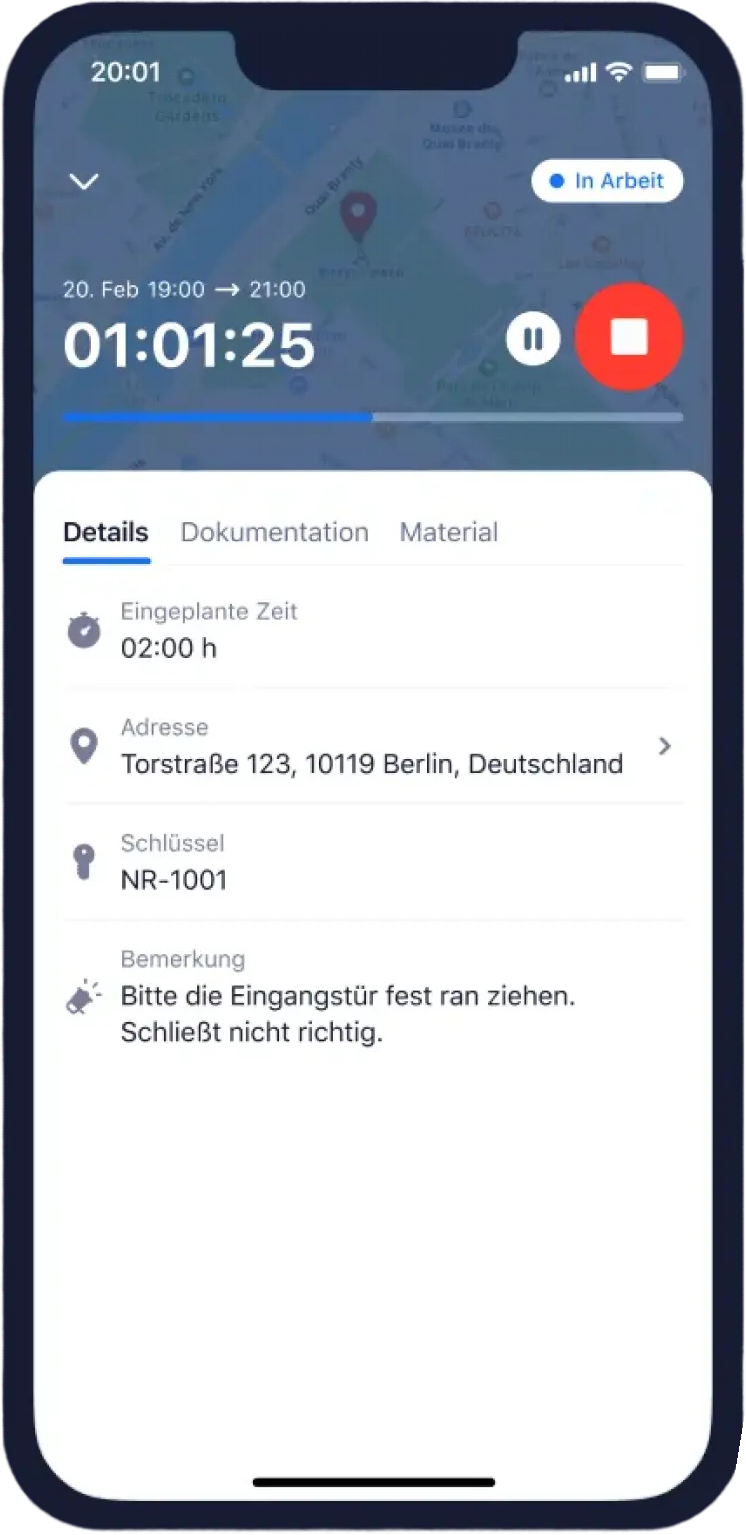
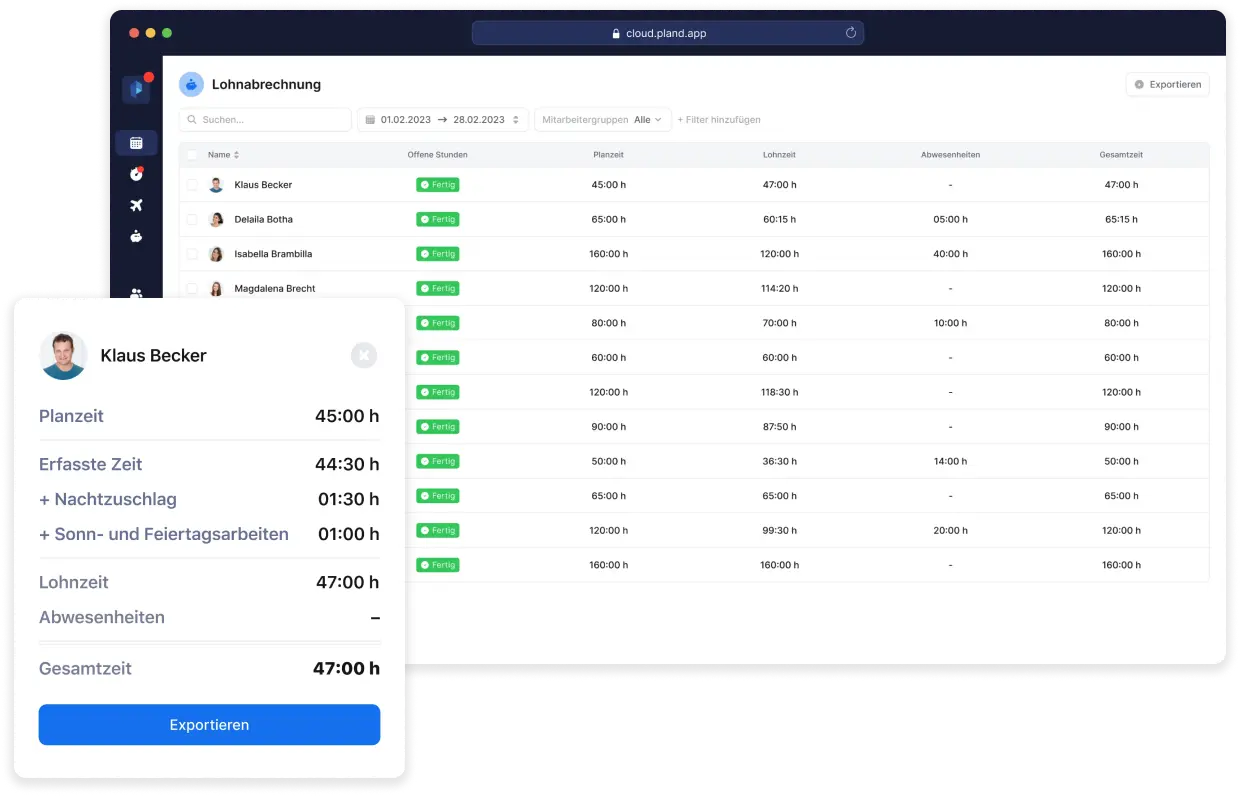
Battery-powered devices, ergonomic tools, and microfiber technology make work faster and more efficient. Digital solutions also assist with organization:
Such tools are not just practical aids, but also a significant advantage for professional service providers who value quality and traceability.
Time management works best as a team effort. A brief huddle at the start of a shift can prevent tasks from being duplicated or overlooked entirely.
Discuss together:
Clear agreements save time, foster collaboration, and ensure smooth operations – both in small teams and for large properties.
For cleaning staff, time management is more than just organization – it's the key to efficient work, high quality and healthy work rhythm. Working in a prepared, structured, and forward-thinking manner not only saves time but also energy and stress.
Whether it's daily maintenance cleaning or larger projects, planning, routine, and communication ensure every cleaning job is professional, efficient, and stress-free.
Free, no-obligation consultation with one of our digitalization experts.