.jpg)
The work of a building cleaner demands a high level of expertise, precision, and, most importantly, the right materials and tools. Without them, it's nearly impossible to clean a building thoroughly and efficiently – whether it's an office building, school, hospital, or residential complex. From removing dirt and dust to disinfecting high-traffic areas, every task requires specific equipment to achieve optimal results. But what materials are considered standard equipment for a building cleaner?
Central to every building cleaner's work are cleaning products. These come in various categories, chosen based on the type of dirt and the material to be cleaned. A universal all-purpose cleaner is indispensable in any cleaning cart. It's used for many everyday cleaning tasks and is suitable for a variety of surfaces, from floors to countertops.
For cleaning glass surfaces and mirrors, a glass cleaner is essential, as it's specifically designed to prevent streaks and smears. In sanitary areas such as toilets, showers, and changing rooms, the sanitary cleaner is the product of choice. These cleaners often contain substances that effectively dissolve limescale deposits and soap scum.
In addition to these standard cleaners, a neutral cleaner is also part of the basic equipment. This mild cleaning agent is gentle on sensitive materials like natural stone and is often used in areas where aggressive chemicals would be unsuitable. Disinfectants are indispensable in high-traffic buildings, especially in hospitals or schools. They ensure not only cleanliness but also hygiene by killing bacteria and viruses.
In addition to chemical cleaners, physical cleaning tools also play a significant role. Microfiber cloths are among the most effective aids in building cleaning. Their special structure allows them to absorb dust, dirt, and moisture exceptionally well, without wasting cleaning agents. They are versatile – from cleaning surfaces to mirrors and windows.
For stubborn dirt or hard-to-reach areas, sponges and scourers are used. They are particularly well-suited for cleaning kitchen areas, where grease and food residues can pose a challenge. Cotton cloths on the other hand, are often used for wiping larger surfaces because they are robust and absorbent.
Floors, which often account for the largest part of daily cleaning work, require special tools. Fringe and flat mops in combination with a bucket and wringer are a must-have. The wringer removes excess water from the mop, preventing the floor from becoming overly wet, which can be particularly dangerous on smooth surfaces. Floor cleaning is complemented by brooms and dustpans for quick sweeping in between, as well as by vacuum cleaners for carpets and hard floors.
While small areas are easily managed with hand tools, large areas such as corridors, entrance halls, or shopping centers require the use of floor cleaning machines. A scrubber-dryer combines scrubbing with a suction mechanism that immediately picks up the dirty water, allowing the floor to be walked on again quickly.
For more intensive cleaning of hard floors, a single-disc machine is often used. These machines are ideal for polishing floors and leaving a shiny surface. They are also suitable for maintaining floors by working special care products deep into the material.
A particular challenge in building cleaning is the window cleaning . Here, the right tools are crucial to achieve streak-free results. With a window squeegee and a washerthat applies the cleaning agent evenly to the pane, even large windows can be cleaned easily. For high-up windows or hard-to-reach areas, telescopic poles are available, allowing work to be done safely from the ground without using ladders.
In addition to cleaning agents and equipment, the right protective equipment is essential for building cleaners. Gloves protect against harsh cleaning agents and prevent direct contact with dirt and bacteria. When working with chemical cleaners that can emit fumes, respirators are beneficial. Also, Safety shoes are part of the standard equipment, especially in areas where slippery floors or heavy machinery pose a risk.
To make daily work as efficient as possible, professional building cleaners often use a cleaning cart. This mobile helper allows them to have all necessary materials – from cleaning agents to trash bags – readily available and easily transportable from room to room. Also indispensable are trash bags and litter pickers, to remove waste quickly and hygienically.
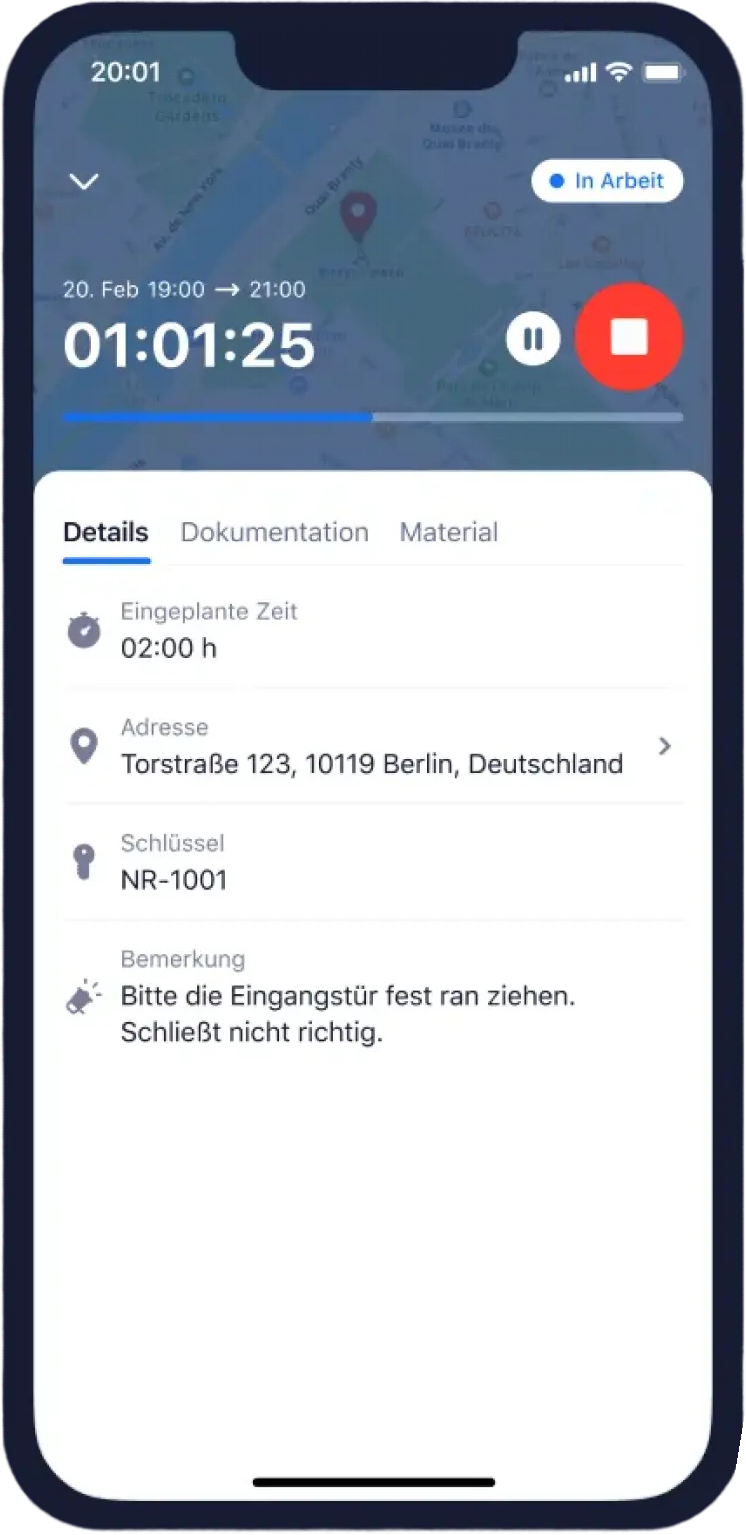
In addition to physical equipment, digitalization is playing an increasingly important role in modern building cleaning. An innovative solution for building cleaners is the software from PlanD, specifically developed for building cleaning management. This software enables efficient creation of cleaning schedules, coordination of employee deployment times, and monitoring of material consumption. With Pland, workflows can be digitally controlled and documented, which not only increases efficiency but also supports quality assurance. Thanks to integrated checklists and automated notifications, teams can ensure that no cleaning tasks are overlooked. This way, the software helps both small and large cleaning companies modernize and optimize their operations – a real relief in an often time-critical work environment.
Modern building cleaning goes beyond manual labor. A specialized Cleaning Business Software, such as PlanD, simplifies organization:
💡 Software is particularly beneficial for cleaning companies to streamline processes and ensure quality assurance.
The work of a building cleaner requires not only diligence but also professional equipment. From cleaning agents for various surfaces to specialized machines for large areas, protective clothing, and accessories – all these tools help ensure that buildings remain clean, hygienic, and inviting. Only with the right equipment can building cleaners perform their tasks efficiently and safely, and in the most diverse environments, from office complexes to clinics.
Free, no-obligation consultation with one of our digitalization experts.