Digitalization in accounting continues to advance in Germany. By 2025 at the latest, e-invoicing will also become mandatory in the B2B sector. This transition brings challenges, but at the same time opens up opportunities for greater efficiency and cost savings. But what exactly does the e-invoicing mandate mean, and how can companies prepare? An overview.
An electronic invoice (e-invoice) is not merely an invoice in PDF format. It adheres to specific standards and can be processed automatically. Crucially, the content is transmitted in a structured and digital manner. Two main formats currently dominate the German market:
Currently, e-invoicing is mandatory for companies that issue invoices exceeding 1,000 Euros to public clients. This particularly affects the area of public procurement. However, from 2025, this regulation is also to be extended to the B2B sector. Companies will then be legally obliged to issue and transmit their invoices exclusively in electronic format.
Besides the legal necessity, the transition to e-invoicing offers tangible benefits:
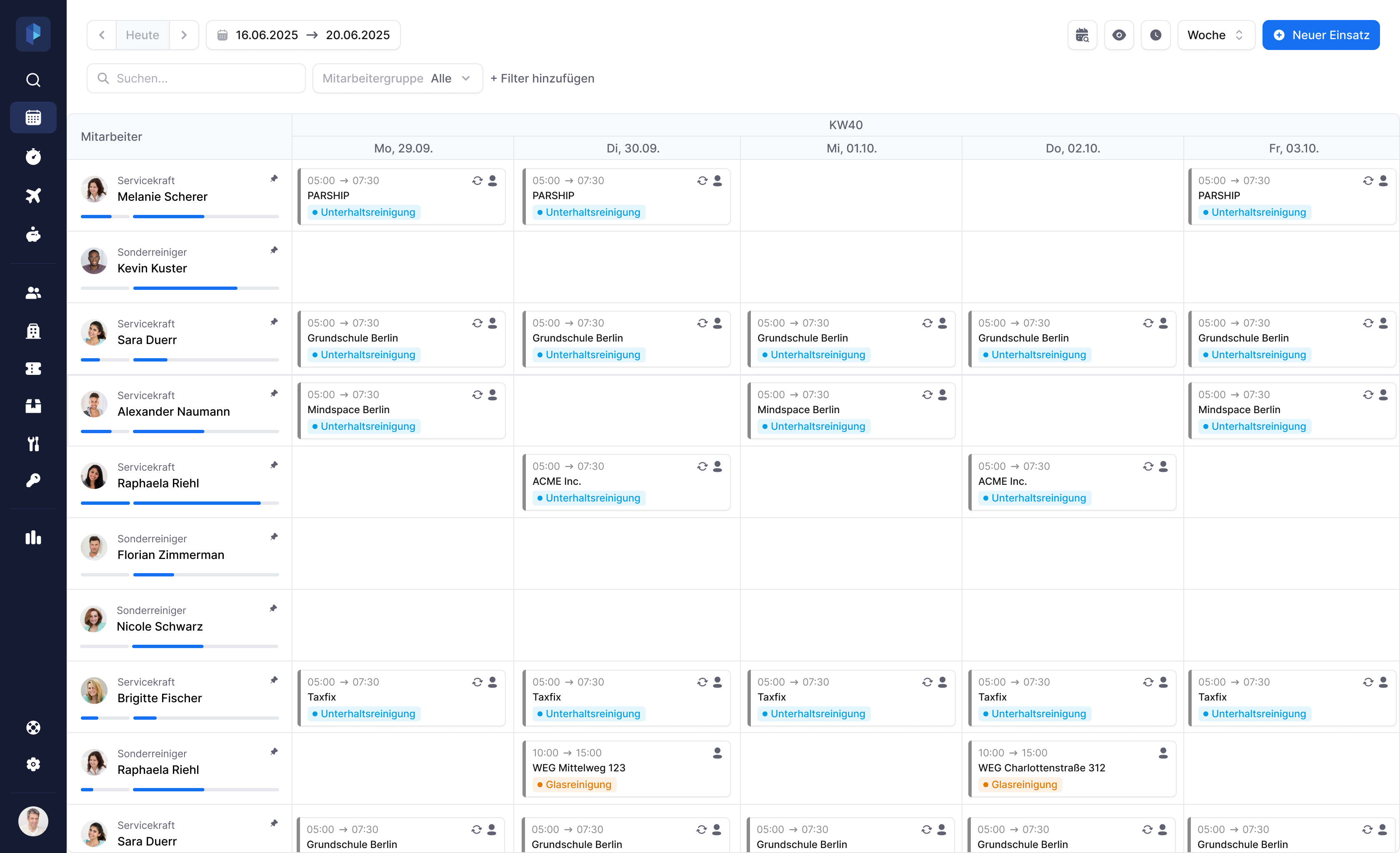
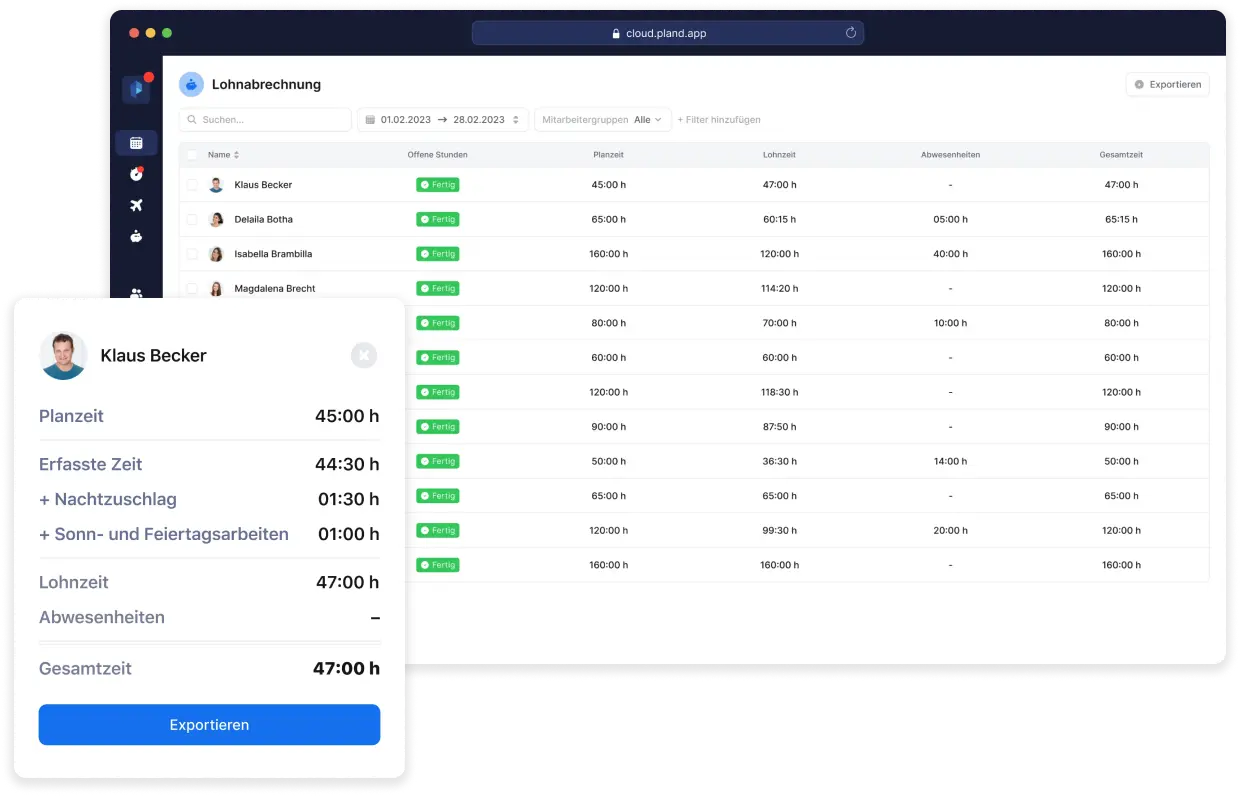
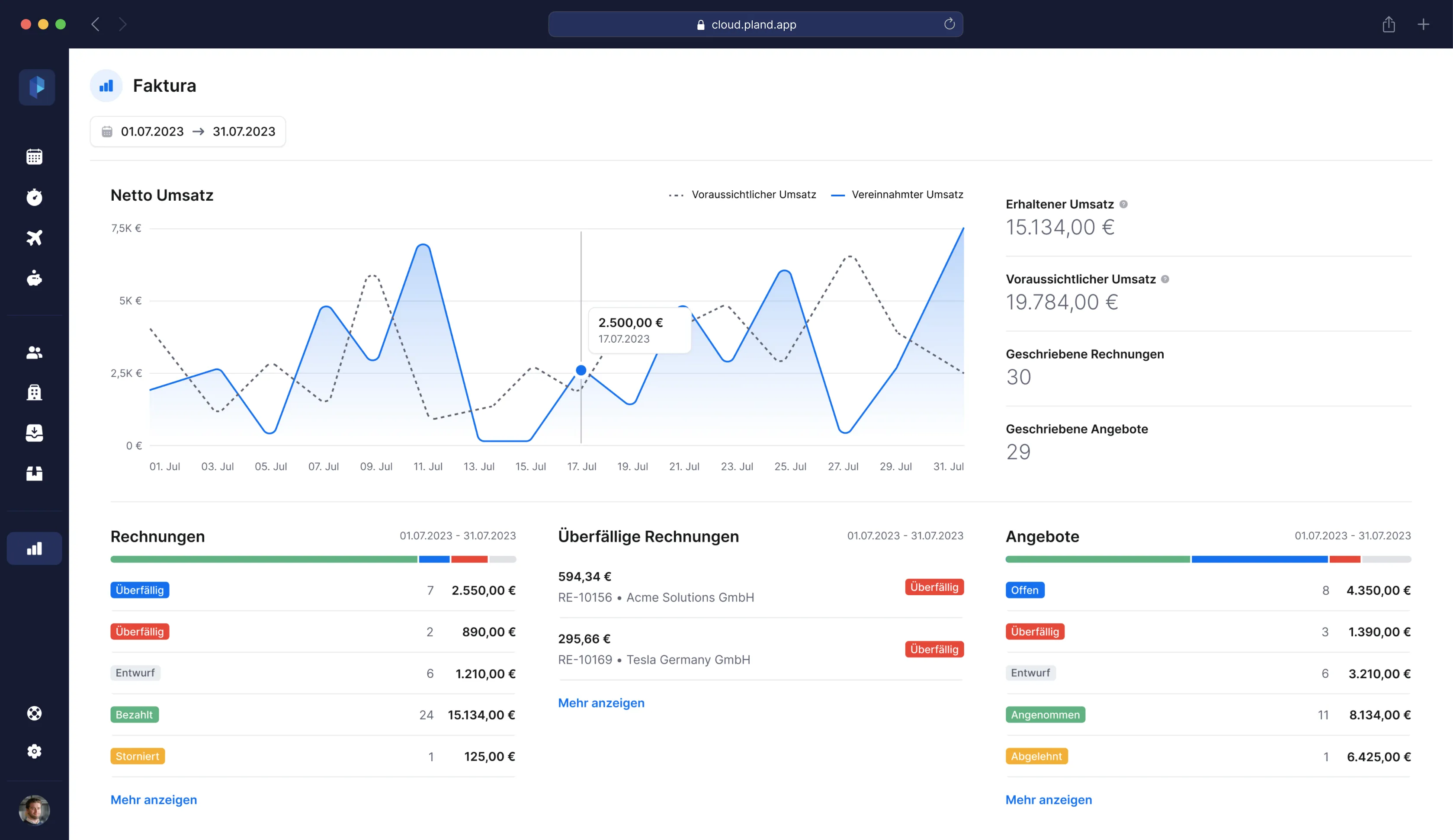
Implementing e-invoicing requires technical adjustments. Software solutions like PlanD significantly ease this transition by enabling the creation and sending of invoices in the required format. Key mandatory information such as the tax number, bank details, and the so-called Leitweg-ID (for public clients) are automatically integrated.
Furthermore, archiving is a crucial aspect: e-invoices must be stored digitally and audit-proof for at least ten years, in accordance with the principles of proper accounting (GoBD). Electronic document management systems (DMS) are a sensible investment for this purpose.
For many companies, the transition to e-invoicing means a significant change to established processes. Smaller businesses, especially those without a dedicated IT department, might face initial difficulties. Therefore, it is advisable to switch to software solutions early, offer training, and optimize internal workflows.
With PlanD, the comprehensive software solution for cleaning companies, creating e-invoices becomes a breeze. The software supports common standards such as XRechnung and ZUGFeRD and automatically ensures that all legal requirements are met. With just a few clicks, invoices can be created, sent, and archived in the correct format. Thanks to the intuitive user interface, even users without in-depth IT knowledge can work quickly and securely. This leaves more time for the core business – cleaning your clients' properties.
E-invoicing is not only a necessary step to meet legal requirements but also offers enormous long-term benefits. Efficiency, cost savings, and sustainability make it a valuable innovation in accounting. Companies should use the remaining time to thoroughly prepare for the new requirements – and thus actively drive digitalization forward.
Free, no-obligation consultation with one of our digitalization experts.