
In recent years, digitalization has transformed numerous business processes, particularly in invoicing. A central component of this development in Germany is the XRechnung, a standard for electronic invoices developed specifically for exchange with public contracting authorities.
XRechnung is an XML-based data model that standardizes electronic invoice exchange. It was developed to meet the requirements of European standard EN 16931 and to implement Directive 2014/55/EU. In Germany, the standard is operated by the Coordination Centre for IT Standards (KoSIT) on behalf of the IT Planning Council. The goal of XRechnung is to enable a uniform and structured exchange of invoicing data to increase automated processing and efficiency.
For issuing electronic invoices to the federal administration, the XRechnung standard in its current version must generally be used. Additionally, other formats such as ZUGFeRD 2.2.0 in the XRECHNUNG profile may be used, provided they comply with the requirements of European standard EN 16931, the Federal E-Invoicing Ordinance (E-RechV), and the terms of use of the respective federal invoice receipt platform.
Significance for Businesses
The introduction of XRechnung offers several advantages for businesses:
Especially for companies in the building cleaning industry, which frequently work with public contracting authorities, the transition to XRechnung is of great importance. The specific requirements and high administrative effort necessitate efficient solutions to comply with the new legal provisions.
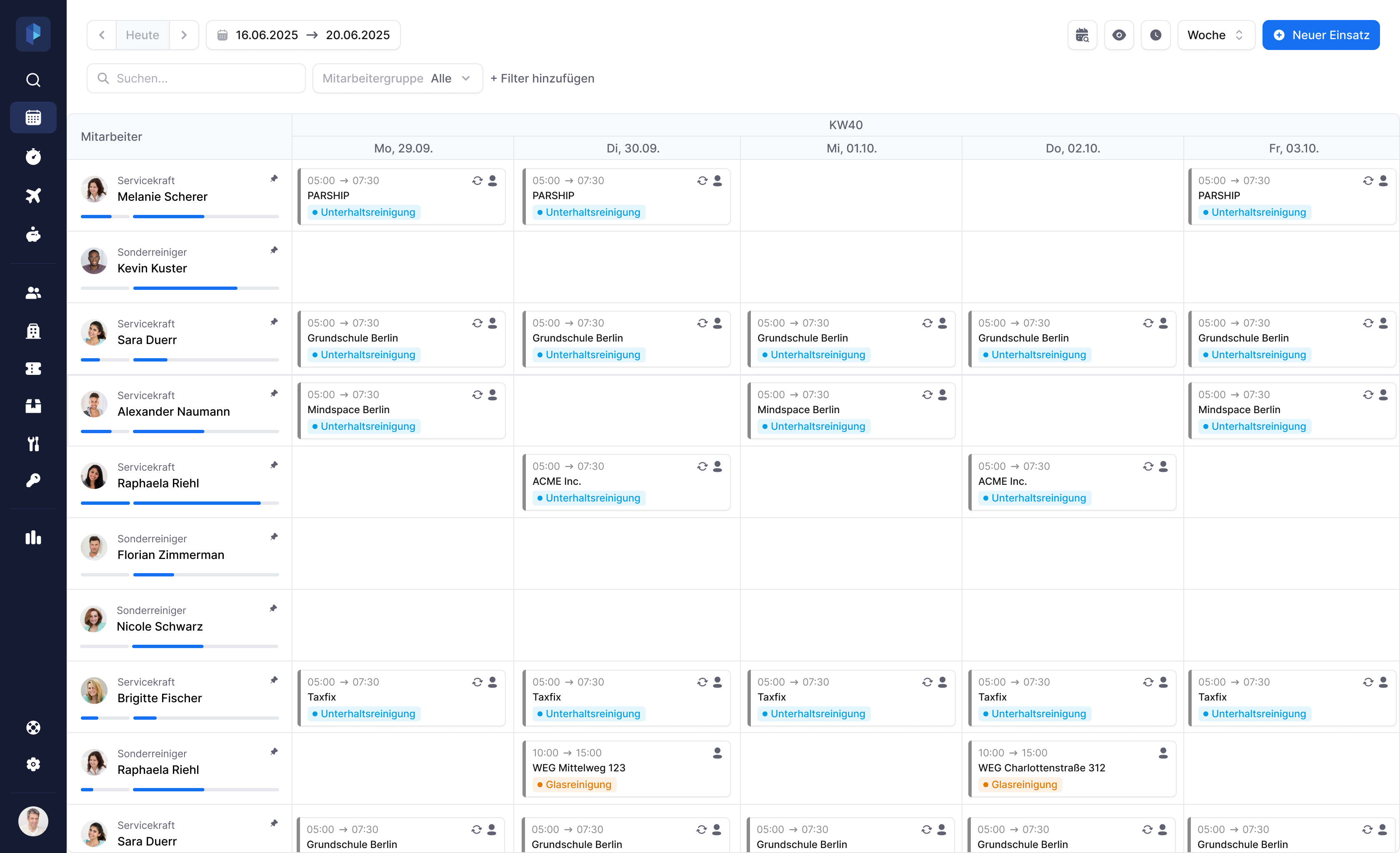
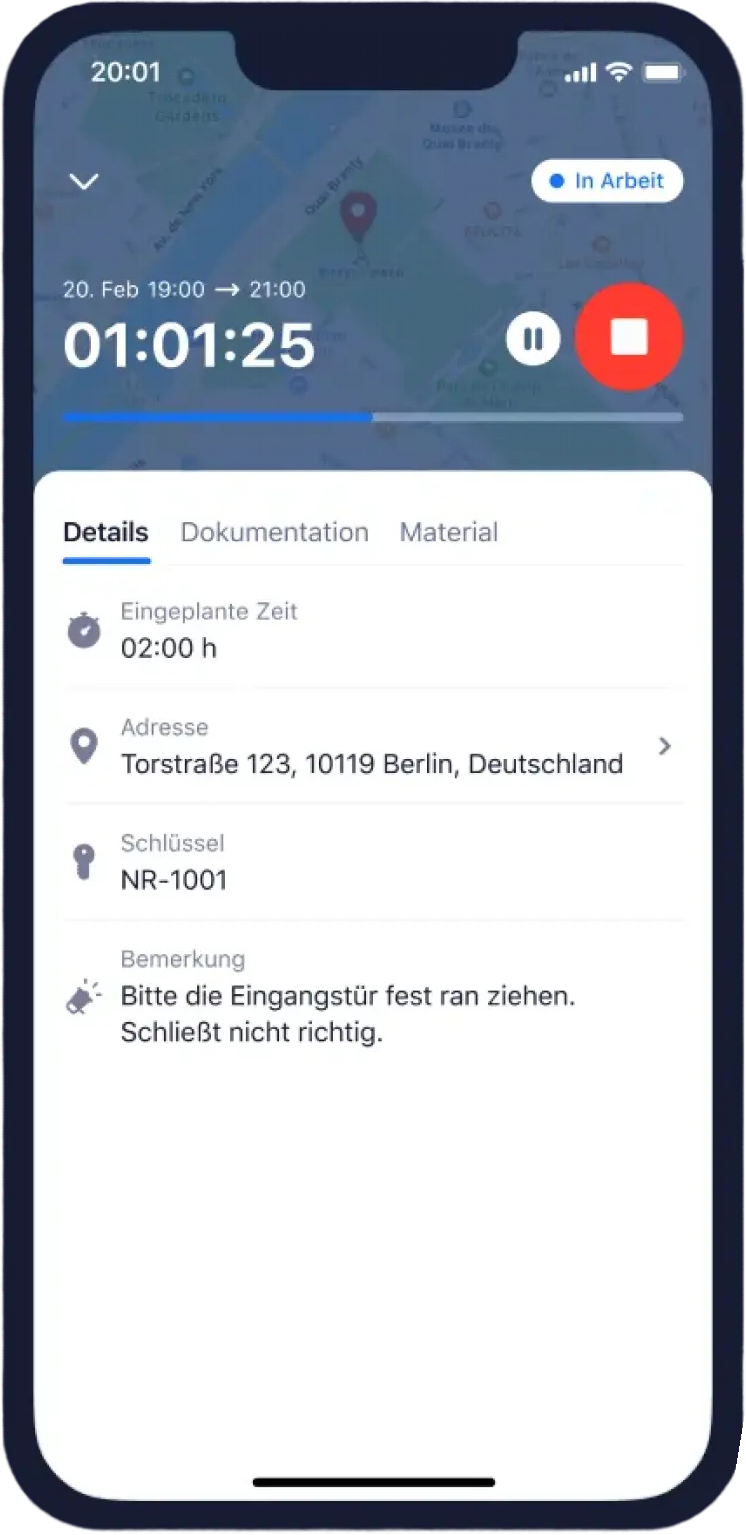
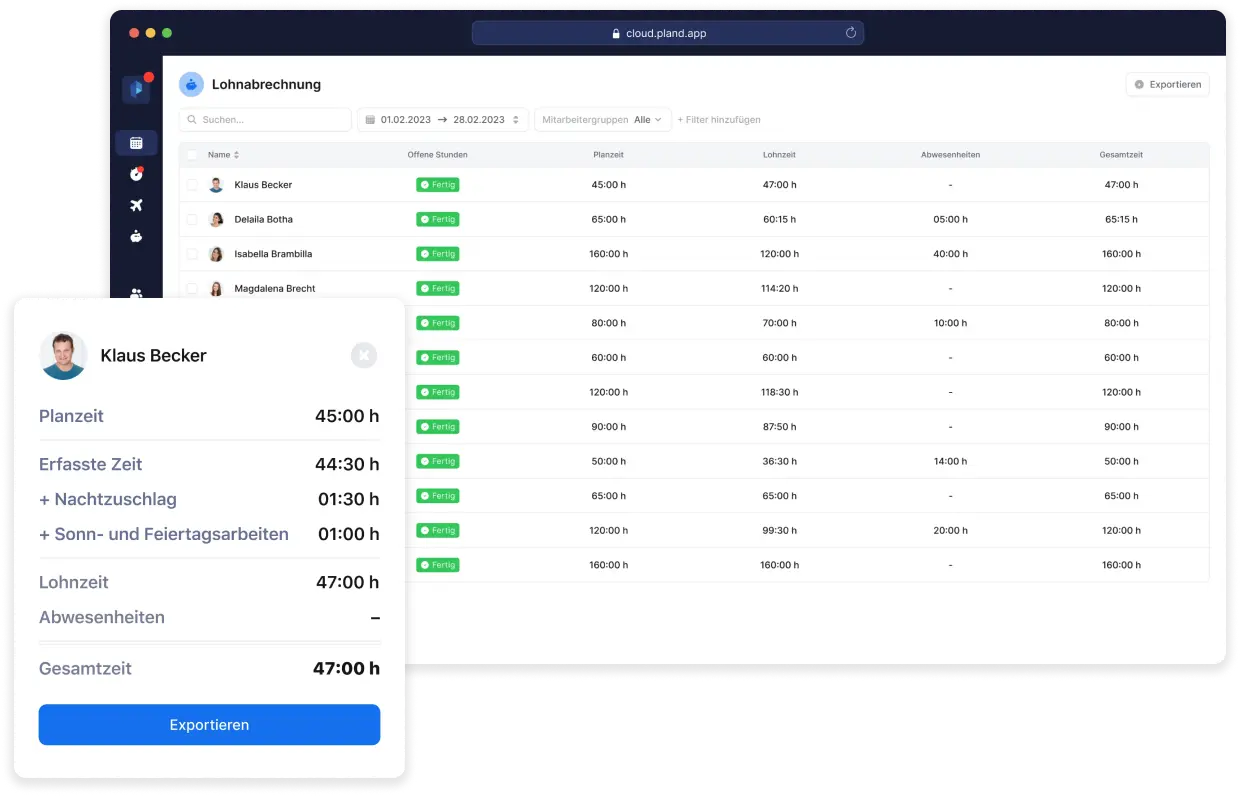
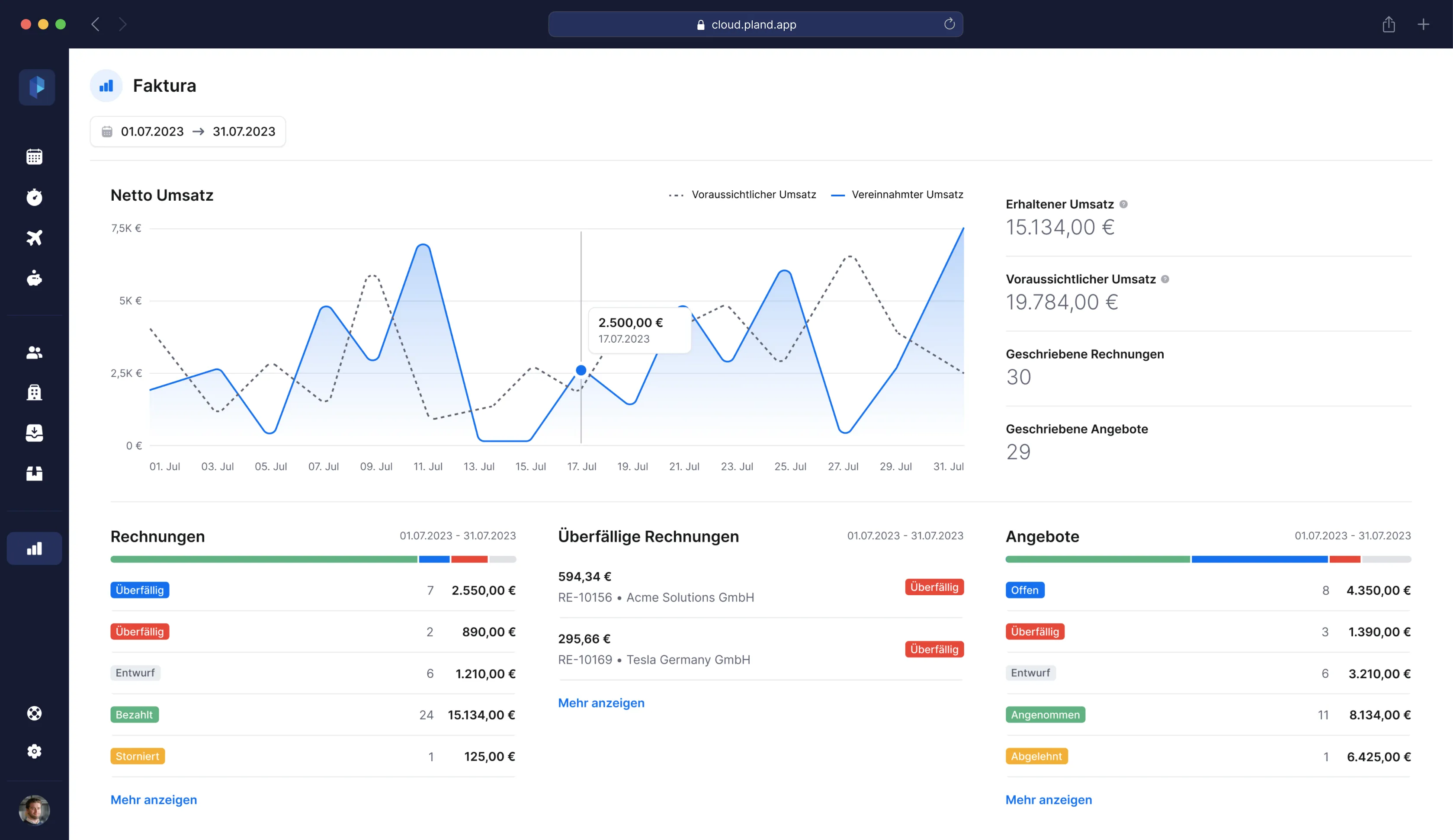
This is where PlanD comes in, an all-in-one software specifically developed for the building cleaning industry. PlanD integrates various functions such as scheduling, time tracking, payroll, and accounting into one system. A special feature is its support for creating and sending electronic invoices in XRechnung format. With PlanD, companies can create and automatically send compliant e-invoices, significantly reducing administrative effort. The software also enables the seamless integration of other business processes, leading to overall higher efficiency and transparency.
By using PlanD, building cleaning companies can not only meet the legal requirements for electronic invoicing but also optimize their internal processes and thus operate more competitively.
Free, no-obligation consultation with one of our digitalization experts.